
Building water confidence: from bath time to pool time
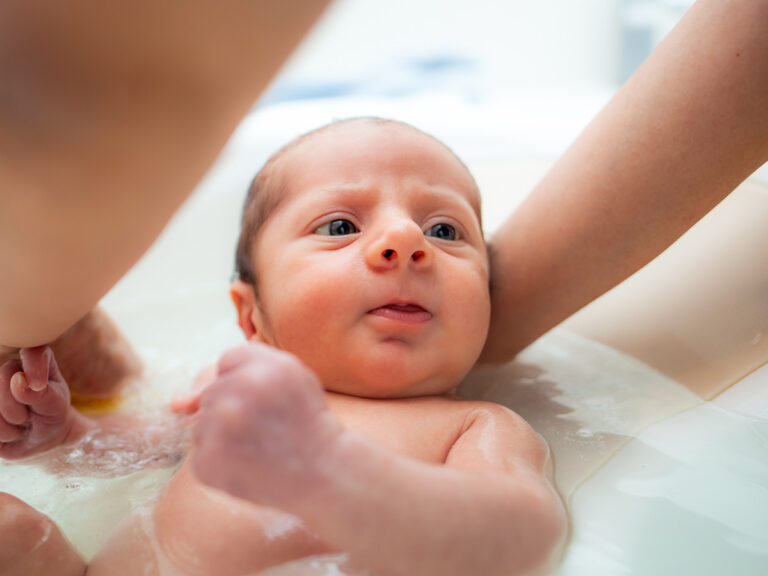
At Turtle Tots, we believe your baby’s journey to water confidence begins at home. By turning bath time into an opportunity to explore and play, you can help your little one feel safe, secure and ready to make the leap from the tub to the pool.
For many little ones, the bath is their first playground – a familiar place filled with splashes, songs and laughter. Building that positive association with water is the key to helping your child approach the pool with confidence when you’re ready to start swimming lessons.
If you have an older toddler who’s already attending swimming lessons, bath time can really complement their pool sessions – especially if you’re helping a nervous child feel more confident.
How bath time supports water confidence
Developing water confidence isn’t just about floating or kicking – it begins with trust, security and familiarity.
Bath time provides a calm, relaxed setting for early exploration. When used intentionally, it helps your child associate water with fun, closeness and comfort – all essential building blocks for happy, confident swimming.
For babies (0–12 months)
At this age, your aim is to create positive water experiences and help your baby feel secure. The sensation of being surrounded by water may feel familiar from the womb, but your baby still needs time to adjust to the new sights, sounds and smells of bath time.
Try these confidence-building tips:
- Hold your baby securely. If you can, get into the bath with them – skin-to-skin or chest-to-chest contact is wonderfully reassuring.
- Introduce simple toys. Toys that pour, float or make sounds help babies associate water with fun and curiosity.
- Encourage gentle movement. Move your baby’s legs while saying “kick, kick, kick!” – a key skill they’ll later use in swimming lessons.
- Practise gentle face-wetting. If babies get used to this sensation early on in life they are far less likely to develop an aversion to it later on. Begin by gently tricking water over the back of your baby’s head, then gradually let the water come further forward so that it runs down the sides of their face and near their ears. Watch your baby’s reactions carefully to see how they react to this. If they seem comfortable you can let the water run gently over their face. If at any time your baby seems uncomfortable with the sensation then move the water further back again.
For toddlers (1–3 years)
For older babies and toddlers, bath time is a great way to nurture independence and curiosity, or to help them through any nervous patches.
Try these ideas:
- Practise floating holds. Support their back and shoulders so they can feel the water’s buoyancy holding them up.
- Blow bubbles together. This simple game helps children get used to water near their mouth and nose, which can reduce their fear of going underwater.
- Sing and splash. Nursery rhymes and Turtle Tots songs make the bath lively and fun. Songs with actions are particularly effective, as they can be used to encourage splashing and kicking in the water.
- Use familiar cues. And remember that repetition makes the experience predictable, which helps your little one relax.
How we support water confidence at Turtle Tots
Every child’s journey is unique, and we know that confidence grows best when we follow their lead.
Turtle Tots teachers always take a child-led approach, adapting every activity to your child’s comfort level so they always feel safe and supported.
Lessons are filled with songs, games and bubbles to create a sense of fun and familiarity, while giving you a toolkit of simple activities you can replicate at home. This continuity between bath time and pool time helps little ones feel secure and in control.
Trust is the foundation of baby water confidence, so our teachers always encourage parents to tune in to their child’s cues. We never rush or submerge a child before they are ready – because true confidence comes from joy and choice.
Let’s dive deeper into water confidence
Here are some of the questions we are asked most frequently by our parents when it comes to building water confidence from bath time to pool time.
Q. How can I help my baby or toddler who hates having water on their face? Show them that you are happy to have water on your own face! Babies learn by watching us, and if they see you confidently pouring water on your own face they are more likely to be ok to try it themselves. Take it slowly – begin by trickling water over the back of their head, then the sides of the face and ears, then let the water trickle over their face. If they protest or look away, stop and try again later. Small, positive steps are the key to building your baby’s trust around water.
Q. What bath-time games build water confidence for babies? There are so many! Try splash countdowns, floating toy races, or blowing bubbles together. Keeping things playful is the best way to help your baby enjoy time in the water.
Q. My toddler loves baths but is now scared of the pool – why? It’s common for toddlers to go through a phase of anxiety around the pool. The bigger, noisier environment can feel overwhelming for them. Use the bath to restore their confidence through games and familiar routines. In lessons, let them observe from the comfort of your arms if needed, and celebrate every bit of progress they make.
Q. How long does it take to build water confidence in a nervous child? Every child is different, but most start to regain confidence after a few weeks of calm, consistent practice – usually between four and eight weeks. Some little ones bounce back faster, while others need a bit more time. The most important thing is to stay patient, go at your child’s pace, and let their comfort grow naturally.
Q. Should I use bath toys in swimming lessons? Toys can make a huge difference in helping little ones feel happy and confident in the water. For babies, they add an element of fun and distraction, helping to ease nerves and keep their attention during lessons. As children grow, toys can become a playful incentive – a reason to reach, splash, or swim a little further away from their grown-up.
Q. What’s the best water temperature for building confidence at home? For babies and toddlers, NHS advice is to aim for bath water at your normal body temperature – neither hot nor cold. Use a reliable bath thermometer to check, or gently place your elbow or wrist in the water: if it’s comfortably warm and not causing a reaction, it’s safe. Always mix the water well to ensure there are no hot patches.
Q. How do I know if I’m pushing my child too fast with water confidence? You’ll know if your child is resisting, crying or becoming tense. The key is never to push at all. Go at their pace, keep things short and positive, and focus on fun rather than achievement.
Q. Can shower time help build water confidence? Yes – letting warm water trickle over your child’s head and shoulders in the shower can really help them get used to the feeling of water on their face in a calm, familiar setting. Start slowly by letting them hold the showerhead or sit at your feet while you shower, so they can explore the sensation at their own pace.
Q. My child is confident in the bath but clings to me in the pool – is this normal? Completely. Pools are a very different environment to the bath tub: they’re bigger, noisier, the water is often cooler and there are lots of new faces and sensations. It can take a little while for your baby to feel comfortable in this new setting. If you have an older baby or toddler who suddenly becomes clingy for no apparent reason, don’t worry. For most, it’s only a short while before their confidence returns. The key is to stay calm, patient, and keep it playful. Don’t force your child into the water and listen to them if they show you they don’t want to take part in a particular activity – they will tell you what they are happy to do. Gently encourage them – and if it doesn’t happen, try again next time.
Ready to take the next splash?
Every giggle, game, and song your little one enjoys in the bath helps them build a positive relationship with water.
When you’re ready to take the next step, our friendly Turtle Tots teachers are here to guide you with Baby Swimming Lessons that introduce babies to the pool in a calm, nurturing environment.
For growing explorers, our Toddler Swimming Lessons encourage independence, play, and gentle skill-building at a pace that’s just right for your child.
Wherever you are on your journey, we’ll be with you every step (and splash) of the way – helping your child feel at ease in the water, discover the joy of swimming, and build lifelong water-safety skills.


